

By Ava Chavez
Albuquerque is facing several interconnected challenges that touch daily life in neighborhoods across the city: a changing water supply, how we respond to homelessness, public safety reforms, and whether community infrastructure keeps pace with residents’ needs. Here’s a look at what’s happening now, what’s in the works, and what remains to be resolved.
Water Supply Strained by Drying River, Groundwater Reliance
With record-low snowpack and early snowmelt, the Rio Grande’s flow has dropped sharply. The city stopped using river water in late April and has since depended entirely on groundwater, a shift that raises concerns about sustainability and long-term planning. Experts warn that unless precipitation rebounds, Albuquerque’s water managers may face deeper challenges ahead.
Citations Surge, Legal Reforms Around Homelessness
A city-county shift in policy aims to reduce citations and arrest warrants tied to offenses related to homelessness. Starting July 1, court appearances for certain offenses will be scheduled on Fridays to ease court burdens. City leaders acknowledge the hard truth: simply cycling unhoused people through the justice system isn’t working, and new approaches with legal, health, and shelter partners are growing.
Public Safety Leadership & Oversight Changes
In landmark moves, Albuquerque confirmed Cecily Barker as the city’s first female police chief, and appointed Raul Bujanda, a former FBI official, as Executive Director of Public Safety. These leadership changes come alongside efforts to expand civilian oversight, improve transparency, and strengthen accountability within the Albuquerque Police Department.
Community Infrastructure: Parks, Fees, and Public Space
The council’s rejection of a proposed gross receipts tax hike stalled funding for major infrastructure priorities—such as the long-awaited North Domingo Baca Aquatic Center. Meanwhile, complaints over height and traffic are slowing down development projects under review. The city is also working to bring underused public properties back into community use, opening up facilities during evenings and Sundays and launching programs to make unused land available.
What’s At Stake for Neighborhoods
These issues aren’t isolated. Water shortages affect landscaping, parks, and public health. Policies around homelessness affect how people can live safely and with dignity. Transparency in public safety impacts trust at the block level. And infrastructure funding shapes where, and how fast, neighborhoods grow and thrive.
What Residents Can Do
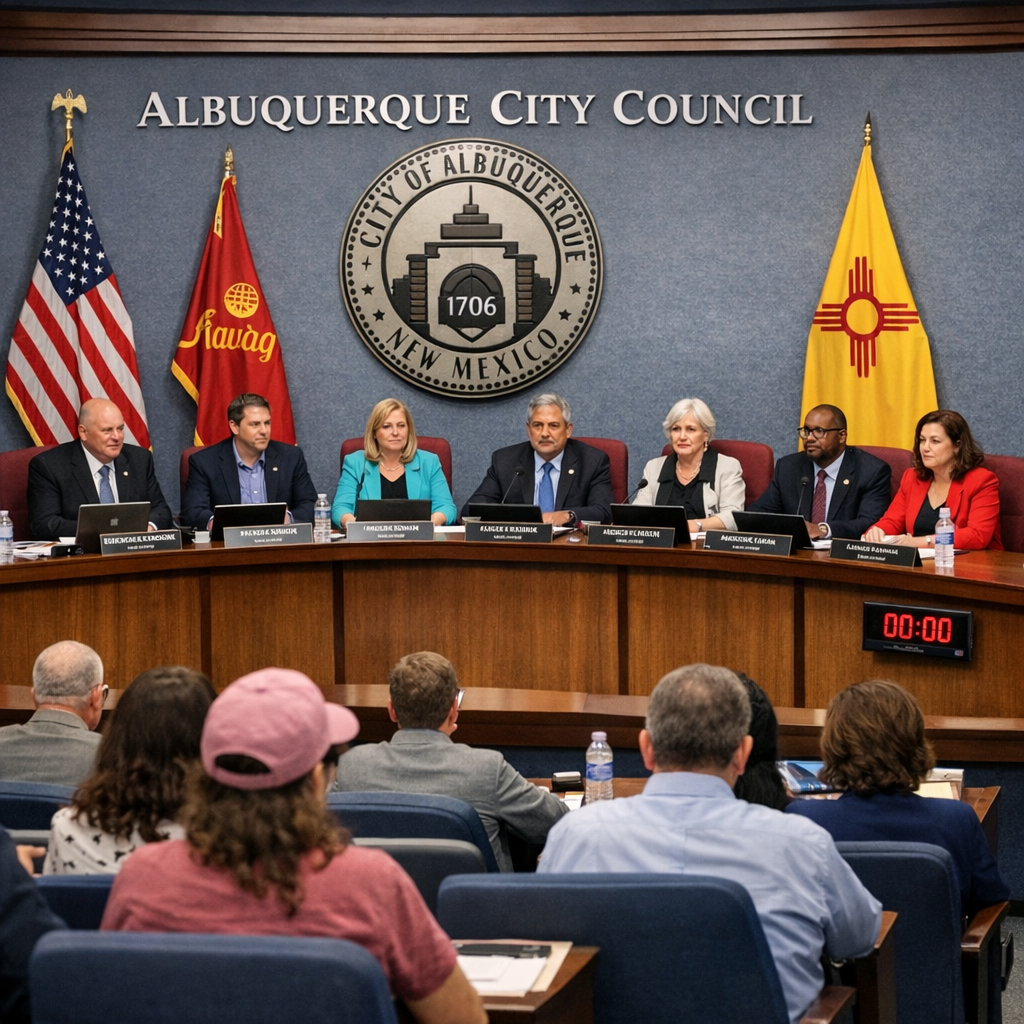
Stay engaged. City council meetings and resolutions often introduce changes that will affect daily life. Watch for public comment periods on developments. Pay attention to reports from the police department—use of force, internal affairs, mental health response—those are published regularly, and they matter. Contact your councilor; vote in upcoming charter or zoning questions to shape Albuquerque’s future.
What City Leadership Should Prioritize
- Long-term water planning that balances river flows, groundwater health, and climate stress.
- Holistic approaches to homelessness that reduce criminalization and increase pathways to housing and services.
- Transparency and accountability in public safety under new leadership; measuring outcomes over promise.
- Securing and protecting funding for community infrastructure—recreation, open space, neighborhood amenities—that unites people and builds wellness.
These are complex, interwoven issues that will define quality of life in Albuquerque in the years to come. We’re seeing city staff, leaders, and residents pushing for progress. Keeping attention high, holding power accountable, and supporting durable solutions will be crucial.